How ExtraHop Scaled Onboarding for 365 Customers with Base AI
How ExtraHop Scaled Onboarding for 365 Customers with Base AI
Cybersecurity
Seattle, Washington
500+ employees
365
Digital-segment customers. Covered by two digital CSMs, about 180 each.
Self-serve onboarding
Quick start training and orientation videos replace live sessions, with separate paths for admins and users.
Built with AI
The CS team describes the experience in AI Studio and AI builds it, with no design or development queue.
Each of them have about 180 customers each, which is why Base is so important for us, because capacity-wise, you just can't do that.
Nick Morris
Director of Digital Customer Success
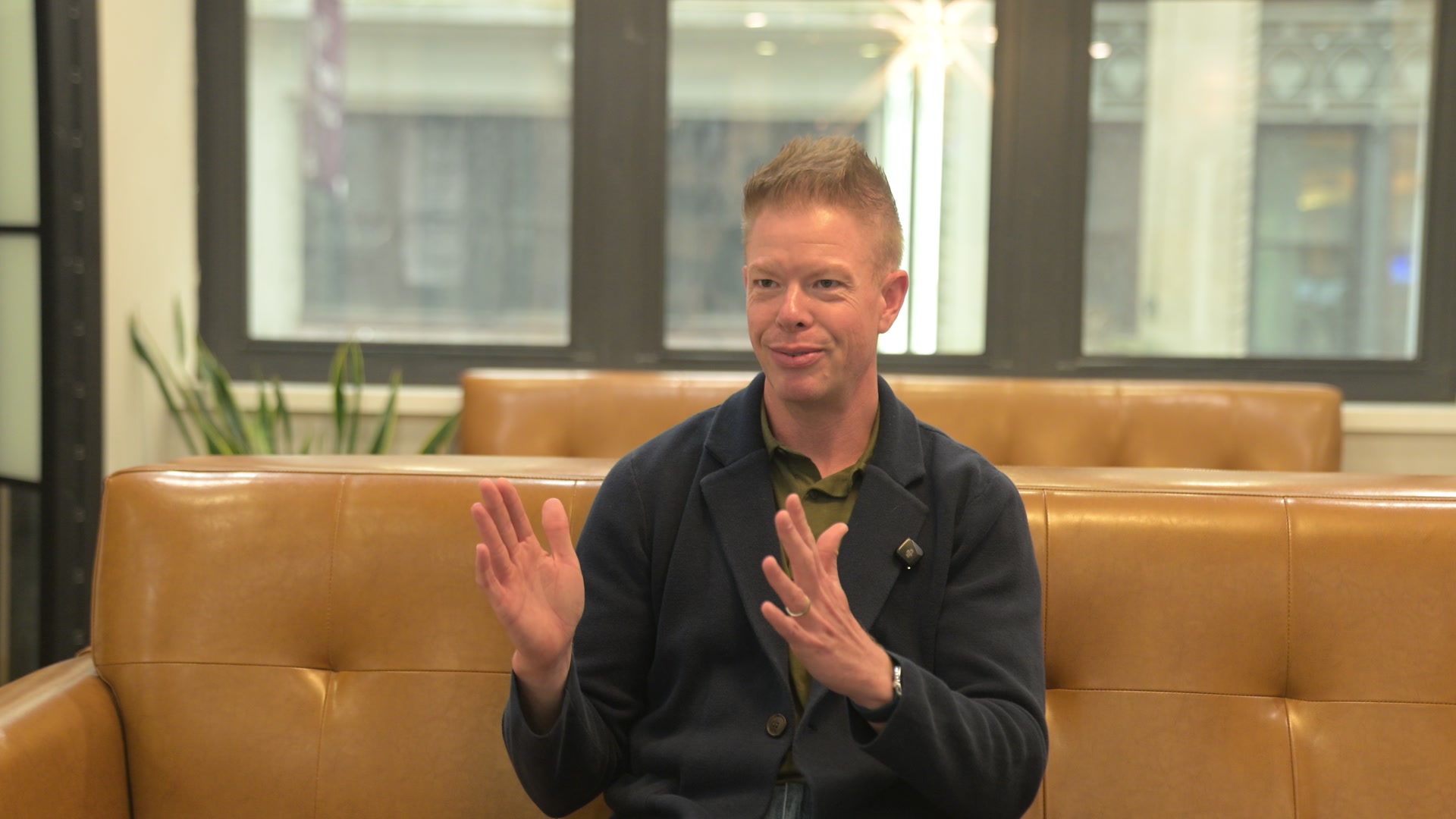
ExtraHop turns network traffic into real-time context that security analysts and AI agents can act on, and is named in Gartner's Magic Quadrant for Network Detection and Response. Nick Morris leads digital customer success there. His role covers three areas: the digital team and the digital segment of customers, the org-wide digital strategy, and the overall customer success strategy. The digital strategy rule is simple: "Anytime we can do things in a digital first or automated way, we should." The goal behind all three is the same: drive value with customers so the relationship is "long-lasting, ongoing, healthy."
The Challenge
In 2026 ExtraHop's digital segment ramped up. Nick's two digital CSMs now manage 365 customers between them, about 180 accounts each. It is a high ratio model, and it changed what onboarding had to be.
One person can't manage effectively that many customers.
Until then, onboarding was high touch. People ran the initial training sessions, each one customized, plus orientation sessions on top. The workflows behind it ran through Gainsight, with the rest of the coordination in Google Workspace and Gmail. "That doesn't scale," Nick said.
What was breaking:
Every new digital customer was onboarded through live, customized training and orientation sessions.
Two CSMs with about 180 accounts each could not run those sessions for everyone.
Answers lived across community, the website, the blog, support sites and admin guides, so customers had to hunt for them whenever a need came up.
The tooling, Gainsight workflows plus email, supported the CSMs but did not reach customers directly.
ExtraHop needed to guide every digital customer to value without a person running every session, and without the experience slipping. Nick puts it in sales terms. "We always think about the customers coming in the front door," he said. "Do we have the bookings? Do we have the pipeline?" The job for CS is to "make sure that they're not running out the back door at the same time."
We had people conducting initial training sessions and it was very customized, and orientation sessions and all of that. But when you think about trying to do that with hundreds of customers, you just can't.
The Solution
ExtraHop brought in Base AI to take over the scaled part of onboarding, and started with the use case that would have the biggest impact quickest. "Progress over perfection is the way to go," Nick said. The first version, a digital-led onboarding experience for the digital segment, launched in October 2026.
Digital-led onboarding: Foundational quick start training and a set of orientation videos replace the live training and orientation sessions.
Role-based training paths: Each customer is identified by role and routed to the training that role needs.
A page for your team: Customers can see at any time who their ExtraHop team is, and who is listed as a contact on their own side.
Curated resources: Foundational training, reference documents and upcoming events sit in one place.
Built in AI Studio: Nick designs and changes the experience himself, with no design or development queue.
How It Works
Each part of the experience takes over a job a person used to do by hand.
Onboarding runs on its own: New digital customers start with foundational quick start training, then a short series of videos that walks them through a scaled orientation. "Now we don't have to have those people doing that high touch activity," Nick said. "And we still know that we're taking them on the right path and really building that strong foundation."
Training follows the role: The experience looks at what role each person has and routes them to the proper training. "An administrator, for example, needs a different type of training than just a user."
Contacts stay current on both sides: Customers can remind themselves who their ExtraHop team is, and ExtraHop makes sure it has the right people identified at each account.
Everything they need is in one place: Instead of hunting through community, support sites and admin guides, customers find the training, documents and events they are most likely to need. "It's that curated experience where they just know, I can go here and I can get what I need."
Ideas ship the same day: Nick describes what he wants in AI Studio and it builds it. When something needs a tweak, he goes straight back in. "Update. Done. Implemented. Here we go."
I can just jump into AI Studio and kind of do that brain dump. Here, can you create this that looks like that and operates like this and pulls this in? And it just does it.
The Results
If you can give them the tools to make life easier, and they still know that my customers are getting what they need and being taken down that path of value, it's a relief.
The CSMs felt it first. "Well, they love it," Nick said, "especially those two digital CSMs that are trying to manage almost 180 customers each." They no longer run onboarding sessions by hand, and they can still see that every customer is on the right path. "So they're excited."
Customers get one place for training, contacts, documents and events, and admins and users each get the training they need from day one. For Nick, that is the start of a chain: a good experience leads to adoption, adoption leads to value, and "those customers who are getting a good experience and they're getting value, they want to keep working with you." He is clear that the two go together. "It's not one or the other. It has to be both."
It also changes what scale means for the team. "The thing that nobody's talking about is trying to do more with more," Nick said. Whether the team stays the same size or gets smaller, "you've got to do more, and you've got to provide a really great experience for your customers. And it can't come at the expense of retention."
What's Next
Onboarding is the first stage. "There's so much of that customer journey beyond that," Nick said, and the next focus is value realization:
Value realization: "Understanding and locking in with customers on what are those key priorities and goals that they need to see in working with us, and grabbing that information and then taking them on the right journey to help them realize it."
The rest of the journey: Extending the same experience past onboarding into the stages that follow.
The aim stays the same as the day it launched. "I want our customers to have an amazing experience," Nick said. "And I want our customers to feel very well taken care of and supported."
Ready to Scale Your Customer Programs?
See how Base helps you turn customers into your best growth channel.